WhiteSands Alcohol & Drug Rehab has published a new educational resource exploring how long phencyclidine, commonly known as PCP, remains in the body and how this timeline influences treatment decisions. The article provides clinically grounded information designed to help people and patients understand detection windows, physiological effects, and the importance of structured care in recovery.
PCP is a dissociative drug that affects brain function, perception, and behavior. According to the National Institute on Drug Abuse, PCP can produce a range of effects, including hallucinations, mood disturbances, and impaired motor function. The newly published resource explains that PCP can remain detectable in the body for several days to weeks, depending on factors such as frequency of use, dosage, metabolism, and overall health. In urine tests, PCP may be detected for up to a week in occasional users and longer in people with repeated exposure, while hair testing can reveal use for extended periods.
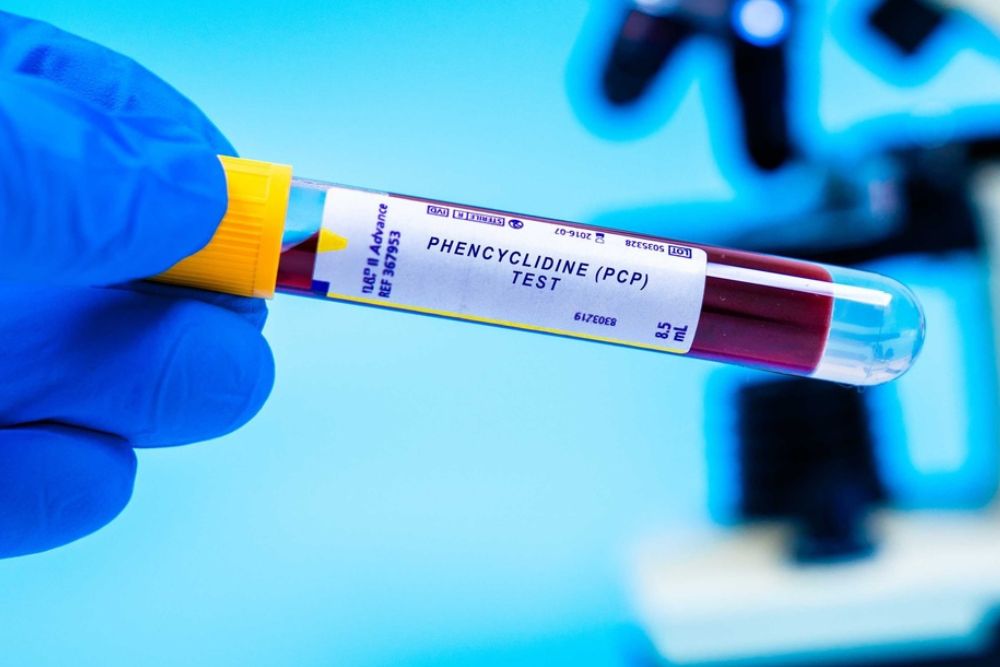
The article reflects broader clinical understanding of how substances interact with the body over time. Data from the Substance Abuse and Mental Health Services Administration indicates that dissociative drug use can contribute to both short-term risks and long-term mental health complications. By outlining how long PCP stays in the system, the resource provides context for why medically supervised detoxification and ongoing treatment are often necessary to manage withdrawal symptoms and stabilize patients.
WhiteSands Alcohol & Drug Rehab Tampa integrates this type of educational content into its treatment approach, offering a full continuum of care that includes intensive outpatient drug rehab services. The facility provides behavioral therapy and structured recovery programs designed to address both the physical and psychological aspects of substance use. Patients entering drug rehab receive a controlled environment where stabilization can be managed safely, while outpatient drug rehab programs offer flexibility for those transitioning back into daily routines.
The Tampa location also offers intensive outpatient drug rehab (IOP), which provides structured treatment while allowing patients to maintain varying levels of independence. Intensive outpatient drug rehab (IOP) typically includes multiple therapy sessions each week, focusing on relapse prevention, coping strategies, and behavioral health support. It offers a higher level of care, often involving full-day treatment programming without overnight stays. These options align with evidence-based practices recommended by national health organizations, which emphasize individualized treatment planning and continuity of care.
The facility serves patients from surrounding communities, including Hyde Park, Davis Islands, Palma Ceia, Westchase, and Carrollwood Village. Access to outpatient drug rehab services within these areas supports patients seeking structured care while remaining connected to their local environments. This accessibility plays a role in how people evaluate the best drug rehab centers when searching for treatment options, such as drug rehab near me.
The resource also explains how PCP use can lead to unpredictable behavioral and psychological effects, which may complicate both diagnosis and treatment. Patients may experience symptoms such as agitation, confusion, or detachment from reality, which can persist even after the drug has left the bloodstream. According to research published by the National Institutes of Health, long-term PCP use has been associated with cognitive impairment and persistent mental health challenges, reinforcing the need for comprehensive treatment programs that extend beyond detoxification.
WhiteSands Alcohol & Drug Rehab Tampa incorporates therapeutic approaches that address these complexities, including cognitive behavioral therapy, group counseling, and individualized treatment planning. These methods are designed to help patients understand the underlying factors contributing to substance use while developing strategies for long-term recovery. Studies from the National Institute on Drug Abuse support the effectiveness of combining behavioral therapies with structured treatment programs in improving patient outcomes.
The publication of this resource reflects the increasing importance of accessible, research-based information for people exploring addiction treatment. Online search behavior continues to influence how patients identify the best drug rehab centers, particularly when evaluating substances with complex effects such as PCP. By providing detailed explanations of detection timelines and treatment considerations, the article contributes to a more informed approach to recovery planning.
Additional details about services, levels of care, and treatment programs are available. The Tampa facility offers a comprehensive treatment model that includes outpatient drug rehab and intensive outpatient drug rehab (IOP) programs designed to support ongoing recovery through structured clinical care.
https://www.youtube.com/watch?v=X9PB0fDnn9c
As substance use patterns continue to evolve, access to accurate and transparent information remains a key component of effective treatment. The newly published article on PCP detection and its impact on the body contributes to a broader effort to connect clinical knowledge with patient understanding. Through a combination of educational resources and evidence-based treatment services, WhiteSands Alcohol & Drug Rehab Tampa continues to support people and patients seeking structured pathways to recovery.
###
For more information about WhiteSands Alcohol & Drug Rehab Tampa, contact the company here:
WhiteSands Alcohol & Drug Rehab Tampa
Ryan Monesson
+18132130442
rmonesson@wstreatment.com
215 W Verne St Suite A, Tampa, FL 33606
(813) 213-0442