
Time Off Editing has released an announcement detailing its Real Estate Photo Editing service, providing insight into the digital enhancement methods, image correction techniques, and workflow management systems commonly used in modern property photography preparation. The announcement explains how edited real estate imagery supports online property presentation and contributes to more organized visual communication across digital listing platforms.
As residential and commercial real estate markets continue to rely heavily on digital platforms, property photography has become one of the primary methods through which buyers, renters, and investors evaluate spaces before arranging physical visits. According to the announcement, the role of Time Off Editing’s Real Estate Photo Editing is to refine raw property images through structured enhancement processes while maintaining accurate representation of architectural details, spatial layout, and interior design characteristics.
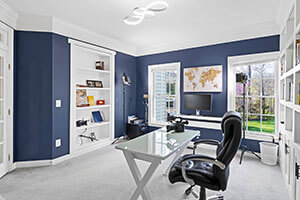
The announcement notes that real estate photography often involves technical challenges related to lighting conditions, room dimensions, perspective distortion, and environmental factors. While modern photography equipment can capture high-resolution images, raw photographs frequently require additional processing to achieve balanced exposure, consistent color accuracy, and optimized composition for online viewing environments.
Exposure balancing is identified as one of the primary stages within the Real Estate Photo Editing workflow. Interior property photographs may contain uneven lighting caused by natural sunlight, window glare, shadows, or mixed indoor lighting sources. These variations can make rooms appear darker or brighter than they are in person. Editing adjustments are applied to improve visibility throughout the image while preserving realistic lighting relationships between interior and exterior areas.
Color correction is another major component discussed in the announcement. Lighting conditions can affect how wall finishes, flooring materials, furniture, and decorative elements appear in photographs. White balance calibration and tonal adjustments are used to produce more natural color representation across property image sets. Consistent color correction also supports continuity between multiple photographs included within a single property listing.
Perspective correction is highlighted as a technical requirement commonly associated with real estate photography. Wide-angle lenses are frequently used to capture larger portions of interior spaces, but these lenses may create visual distortion in vertical and horizontal lines. Walls, doorways, windows, and furniture can appear tilted or stretched if not corrected during post-production editing. The Real Estate Photo Editing service includes alignment adjustments intended to create more proportionate and visually balanced representations of property interiors.
The announcement also outlines the use of High Dynamic Range (HDR) blending within the editing process. HDR techniques combine multiple exposures of the same image to preserve details across bright and dark areas simultaneously. This method is particularly useful in real estate photography because interior rooms often contain significant differences between indoor lighting and outdoor brightness visible through windows. HDR blending helps maintain detail throughout the image without creating unrealistic lighting effects.
Exterior image enhancement is another aspect included in the service framework. Outdoor property photographs may be influenced by weather conditions, inconsistent skies, environmental distractions, or uneven sunlight. Editing adjustments can include sky replacement or enhancement, brightness correction, contrast balancing, and color refinement. These processes are intended to improve image clarity while preserving accurate representation of the property environment.
Image cleanup and object removal are also addressed within the announcement. Temporary distractions such as visible cords, reflections, small debris, lens artifacts, or minor imperfections may affect the composition of property images. Editing tools can reduce or remove these distractions to improve overall image organization and visual clarity. The announcement emphasizes that such corrections are intended to support cleaner presentation while maintaining the actual structure and features of the property itself.
Consistency across image collections is identified as another important operational consideration. Real estate listings often contain photographs of multiple rooms, exterior areas, amenities, and architectural features. Editing workflows are structured to maintain consistent exposure levels, color tones, and stylistic presentation across the full image set. This visual consistency contributes to a more organized viewing experience for individuals reviewing digital listings.
The Real Estate Photo Editing service also includes optimization for digital publishing platforms. Property images are commonly uploaded to listing websites, agency platforms, social media channels, and mobile applications that each require different image dimensions and compression standards. Editing workflows incorporate file resizing, compression management, and formatting adjustments to ensure compatibility with various publishing systems while preserving image quality.
Workflow organization and delivery coordination are highlighted as operational components of the service. Real estate agencies and photographers often work within time-sensitive schedules tied to listing publication deadlines. Editing processes are therefore structured around organized file management systems, project tracking procedures, and coordinated delivery timelines to support efficient communication between editing teams and clients.
The announcement places Real Estate Photo Editing within the broader context of digital property marketing and online consumer behavior. As buyers and renters increasingly begin property searches online, professionally edited visuals contribute to more structured presentation of property features and layout. Enhanced imagery allows viewers to better interpret room proportions, lighting characteristics, and architectural design elements before arranging in-person visits.
The announcement also explains that editing workflows support presentation standards for photographers and real estate agencies managing multiple listings simultaneously. Consistent editing techniques contribute to unified visual branding and help maintain organized presentation structures across property portfolios. Standardized visual quality is increasingly important in competitive online marketplaces where users often compare numerous listings within short periods of time.
Another area discussed is the relationship between professional photography and post-production editing. The announcement states that Real Estate Photo Editing is designed to complement professional photography practices rather than replace them. High-quality source photography remains essential because editing processes refine technical elements such as lighting balance, perspective alignment, and tonal consistency while preserving the original composition and structural characteristics captured during the photography session.
Data management and secure file handling procedures are incorporated into the editing workflow as well. Large image files and project materials are transferred through organized digital systems intended to support continuity, accessibility, and efficient communication between photographers, agencies, and editing teams. Structured file organization contributes to smoother project coordination and delivery management throughout the editing process.
Adaptability across different property categories is also emphasized within the announcement. Residential homes, luxury estates, rental units, apartments, commercial buildings, and hospitality properties may require different visual priorities depending on their intended audience and presentation goals. Editing workflows can be adjusted according to property type while maintaining technical consistency and organized visual presentation standards.
The announcement concludes by stating that the Real Estate Photo Editing service at Time Off Editing is structured around a combination of technical image correction, digital enhancement processes, workflow coordination systems, and platform optimization practices. Through exposure balancing, color correction, HDR blending, perspective alignment, image cleanup, and digital formatting adjustments, the service supports organized and visually consistent property presentation across modern online real estate platforms.
For more information, visit:
###
For more information about Time Off Editing, contact the company here:
Time Off Editing
Daren
info@timeoffedit.com